
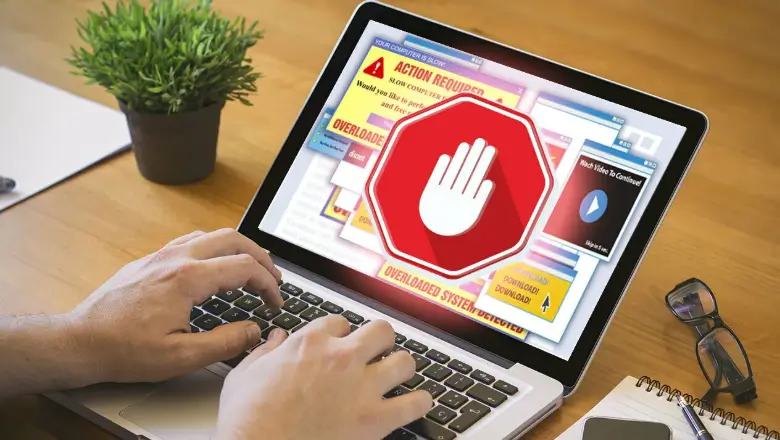
Making profit from outbound links and file downloads is something that enables content providers and software vendors to earn income consistently. However, there are blockers and browser add-ons that can prevent such monetization techniques from working. They skip the steps needed for unlocking and stop ads from showing. When visitors skip these money-making pages in the middle, creators do not get the pay they should for their digital files, code, and other downloads.
To keep your link setup safe, you need to step up and do more. It is good to keep your links safe to stop others from getting around them, but you also want people visiting your site to have an easy time. This guide shows five tested ways to protect your money-making links, get better ad views, and keep your payouts steady. A safe link shortener earn money setup can help you do all this.
The Revenue Threat: Ad-Blockers and Bypass Scripts Explained
Ad-blockers employ filter lists such as EasyList to block any ads that appear on the specified domains as well as page sections. The bypass techniques involve modifying JavaScript events in order to get rid of the wait times or reveal the real URL directly. If the publishers make use of easy client-side redirects, then the bypass scripts can obtain the actual URL.
| Security Risk | Impact on Publisher | Defense Mechanism |
| DOM Scraping | Destination URL extracted from page source instantly | Server-side routing & tokenized redirects |
| Ad-Blockers | Sponsor ads fail to render, dropping CPM payouts | CNAME custom domains & fallback scripts |
| Automated Bots | Fake traffic inflates clicks without valid engagement | Real-time CAPTCHA & fingerprinting verification |
5 Proven Strategies to Secure Monetized Links
1. Implement Server-Side Redirects and Dynamic Tokenization
Direct client-side JavaScript redirects show the final URL in the page’s source code. It is very easy for browser extensions to get it.
- How it’s done: Save the target URLs on the backend server, which need to be unique. Generate unique tokens that are safe and valid only for one session.
- Tip: Do not check the token until after you’ve taken the required step or waited for the required amount of time.
2. Route Traffic Through Custom Branded Domains (CNAME)
Generic short-link sites often end up on global ad-blocker lists. This can stop real users from loading pages the right way.
- How it works: You need to point your own custom domain or subdomain to your link-shortening site by using CNAME records.
- Advantage: When you use first-party requests, they get past tough third-party ad-block filters and help build trust in your brand with people.
3. Deploy Multi-Factor Unlock Steps (Action Gating)
If you depend only on the impressions that come without action, you will be open to easy ad-blocking rules.
- Examples: Mix short ad views with small actions, like asking people to join a Telegram channel, do a CAPTCHA, or watch a product demo before files open.
- Result: Using different unlock rules gives something in return even when usual display banners do not work.
4. Utilize Server-Side Verification for Verification APIs
When you earn money by letting people download software, use developer tools, or work with digital files using an API, it is easy for some to change how the check happens on their own computer.
- Implementation: Your desktop/web application must make a secure API call from the server. This API verifies that unlocking is completed before transferring the payload.
- Limitation: You have to connect the backend in a simple manner. However, this prevents the payload from being exposed on the client-side.
5. Enforce Real-Time Threat Screening & Safe Browsing Compliance
Bypass tools are not only made to stop scrapers. They also help keep your audience safe from bad redirects.
- How it works: The system uses real-time URL screening services, like Google Safe Browsing. These services look at outgoing links all the time and compare them to lists of malware.
- Good thing: This keeps publisher accounts safe, helps keep rules, stops ad bans, and keeps readers away from bad people.
Benefits vs. Limitations of Anti-Bypass Security
The Benefits
- Good Impression Counts: Makes sure that each ad shown shows up the right way on a publisher’s dashboard.
- Clear CPM Results: Gets rid of fake clicks and bot visits, so you get clear information about payout.
- Audience Safety: Checked links mean your users do not end up on phishing sites or get bad downloads.
The Limitations
- UX Friction: If you use strong checks or hard captchas, more people may leave. This can happen if these are used on things that don’t matter much.
- Technical Setup: Setting up your own domain name and API routing will take a bit more time than using simple shorteners.
Outbound link protection from blockers and bypass services becomes an essential component of preserving your monetization scheme and remaining a publisher if you care about your reputation. With such measures as server-side tokenization, traffic passing through custom CNAME domains, and secured downloads requiring authenticated actions, you can eliminate the threat of click fraud and ensure your genuine income. Choosing a reliable link shortening platform for link shortener earn money enables you to preserve your digital property, maintain the trust of your audience, and build up a solid income stream.
Frequently Asked Questions
What are bypass scripts and how do they hurt creators?
Bypass scripts are tools that work in the browser. They help you skip ad countdowns and quickly get the real links you want from links that make money for others. This means that people who make content lose the ad money.
Will custom domain short links prevent ad-blocker blocks?
Yes. When you use custom CNAME subdomains, the link paths look like first-party traffic. This helps to cut down on blocking that can happen by normal browser filters.
Is anti-bypass technology safe for SEO?
Yes, you can do that. Just make sure the main article can be found by search engines. Keep monetized link gates for outside downloads and top URLs only.
