
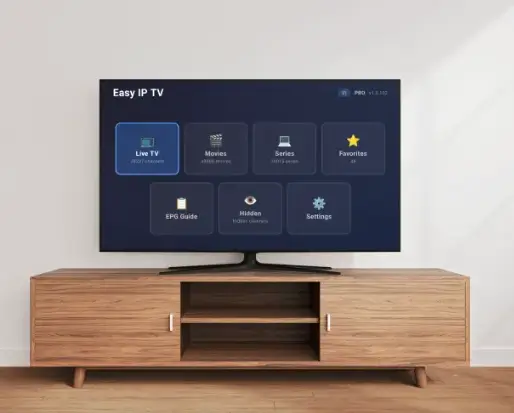
Have you ever heard someone say “IPTV” and had no clue what it meant? Don’t worry, lots of people feel the same way. IPTV just means Internet TV. Instead of using cable wires or a big dish on your roof, you watch TV through the internet.
More and more people are trying out an IPTV service these days. Why? Because it’s easy to start and it costs less money than old-school cable. You don’t need a guy to come to your house and drill holes in your wall. You just need decent internet and something to watch it on, like a phone, a smart TV, or a small box.
How Does IPTV Actually Work?
Okay so here’s the simple part. IPTV sends the TV picture through your internet instead of through wires or satellites. When you hit play, tiny bits of video data travel from a server straight to your screen. This is called streaming, and it’s the exact same thing YouTube and Netflix do.
The best part? You can watch so many different things. Your phone on the train, your laptop during lunch break, your TV on the couch. As long as the internet is working, you’re good. This is honestly why so many people are ditching their old cable box.
Most IPTV plans give you two kinds of stuff. First, live channels, just like normal TV. Second, movies and shows you can watch anytime, called video on demand. You can pause it, rewind it, or start it again the next day. No waiting around for a certain time slot.
Key Differences Between IPTV vs Cable vs Satellite
Let’s just put these three side by side so it’s easy to see. Sometimes a simple table says more than a bunch of long sentences ever could.
| Feature | IPTV Service | Cable TV | Satellite TV |
| Needs internet | Yes | No | No |
| Setup time | Fast, same day usually | Slow, needs a technician | Slow, needs a dish |
| Monthly cost | Usually cheaper | Medium to high | Medium to high |
| Works on phone or laptop | Yes | No | No |
| Bad weather affects it | No | No | Sometimes, yes |
| How many channels | Often a lot | Set by your plan | Set by your plan |
Looking at this, you can see IPTV usually wins when it comes to price and being flexible. But it does need a good, steady internet to work right. If your internet is slow or keeps dropping, that’s something to think about first.
Why So Many People Are Switching to IPTV
A ton of homes are cutting cable and jumping to IPTV. It’s not just about the price, even though saving money is a huge part of it. People also like that they get to pick what they watch and when, instead of being stuck with whatever the cable company gives them.
Here’s a quick list of reasons people love an IPTV service:
- No huge satellite dish sitting on your roof or balcony
- Many plans let you watch on more than one screen at once
- Big channel lists, often with sports and news from other countries too
- Easy to cancel or change your plan, no long contracts to worry about
- Great for people who move around a lot or travel often
- Usually way cheaper than most cable bundles every month
These are the main reasons families, students, and even grandparents are picking IPTV over old cable. It’s just simpler, and you’re not stuck paying for channels you never even watch.
What Makes IPTV Slow or Fast
Since IPTV runs on your internet, your internet speed really matters here. If your connection is weak, the video might freeze up or turn blurry on you. Most services say you need at least 15 to 25 Mbps for smooth HD, and even more if a few people in the house are watching different things at once.
The device you use matters too. An old smart TV or a cheap little box might have trouble playing high quality video without stopping and starting. A newer device, or a decent streaming stick, will almost always give you a smoother time with way less buffering trouble.
Where your Wi-Fi router sits in your house matters more than people think. If it’s far away from your TV, the signal gets weak by the time it reaches you. Moving the router closer, or just plugging in a cable instead of using Wi-Fi, often fixes buffering without changing your plan at all.
See also: How Technology Drives Business Innovation
Things to Check Before Picking a Provider
Not all IPTV services are the same, not even close. Some are solid and reliable with good support when things go wrong. Others have channels that stop working out of nowhere, or support that never replies. So before you hand over your money, check a few things first.
- See if they offer a free trial so you can test it out first
- Look at the real channel list, not just a big number they throw at you
- Check if support actually replies fast when something breaks
- Read real reviews from real users, not just what the provider says about themselves
- Ask about refunds in case the service just doesn’t work out for you
- Make sure it actually works on your TV, phone, or whatever device you use
Spending just a few minutes checking these things can save you a big headache later. A little bit of digging now usually means way fewer problems and way less wasted money down the road.
Is IPTV Even Legal and Safe?
This question pops up all the time, and honestly, it’s a fair thing to ask. IPTV by itself is just a way of sending video through the internet, so the tech part is totally legal. What actually matters is whether the provider has the right to show you the channels they’re selling.
A licensed IPTV provider pays for the rights to their content, kind of like how a cable company does it. Picking a provider that’s upfront about this, and has good reviews that have lasted over time, is the safest way to enjoy IPTV without dealing with legal trouble or the service suddenly shutting down on you.
A Few More Things Worth Knowing
If you’re just starting out, don’t stress about picking the “perfect” service right away. Most providers let you try things out for a short time before you commit to a longer plan. Use that time wisely and actually test the channels you care about most.
Also, don’t be afraid to ask questions before you sign up. A good provider should be happy to answer things like how many devices you can use, what happens if the internet goes down, or how billing works. If they seem shady or dodge your questions, that’s usually a red flag.
Common Problems People Run Into (and Easy Fixes)
Even with a good IPTV service, small problems can pop up now and then. The most common one is buffering, where the video keeps stopping to load. Most of the time this happens because of slow internet, too many devices connected, or an old router that just can’t keep up anymore.
Another common issue is channels freezing or going black for a second. This usually isn’t your fault at all. Sometimes the provider’s server gets busy, especially during big sports events when lots of people are watching at the same time. Waiting a minute or restarting the app often fixes it.
If your app keeps crashing or logging you out, try updating it first. Old versions of streaming apps can get buggy over time. Also, restarting your device once in a while helps clear out small glitches that build up quietly in the background without you even noticing.
How Much Should You Expect to Pay
Prices for an IPTV service can be all over the place depending on the IPTV provider and how many channels they offer. Cheaper plans might cost around the same as one streaming app subscription, while bigger plans with tons of channels and sports can cost a bit more each month.
It’s smart to compare a few prices before picking one. Don’t just go with the cheapest option you find, since super low prices sometimes mean fewer channels or bad support. Look for a fair price that matches the channels and quality you’re actually getting in return.
Some providers also offer yearly plans at a lower price than paying month to month. This can save you money in the long run, but only pick a yearly plan after you’ve tested the service for a bit. That way you know it actually works well for you first.
Final Thoughts
An IPTV service can be a really smart move if you want more channels, a lower bill, and the freedom to watch stuff on different devices without being tied down. It works great for people who are done with long cable contracts and just want something simple that runs on the internet they already have.
Before you make the jump, take a bit of time to compare a few providers, read what real users are saying, and test a free trial if you can get one. If you’re looking for more simple guides like this, check out iptvservices.help for more tips on finding the right IPTV plan for your home.
