
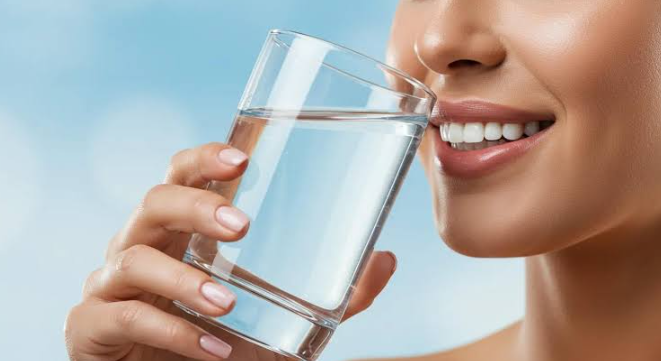
Understanding the Connection Between Water and Dental Health
Hydration plays an important role in maintaining good oral health. Drinking enough water helps support saliva production, which protects teeth by neutralising acids, washing away food particles and delivering minerals that contribute to enamel remineralisation. For personalised advice on protecting your teeth, a dentist St Albans can help you develop effective daily oral health habits.
Even mild dehydration can reduce saliva flow, weakening the mouth’s natural defences and creating conditions where harmful bacteria can thrive. Choosing water regularly throughout the day, alongside good brushing and flossing habits, can therefore help support healthier teeth and gums.
The Science Behind Saliva and Remineralisation
Saliva contains calcium, phosphate, and other minerals that actively work to repair early stages of tooth decay through a process called remineralisation. Understanding saliva’s role in remineralisation reveals how this remarkable fluid continuously bathes teeth in protective minerals, effectively reversing damage before cavities form. When hydration levels drop, this protective mechanism weakens considerably.
The pH level of the mouth fluctuates throughout the day, particularly after consuming food and beverages. Adequate water intake helps maintain a neutral pH by diluting acids and supporting saliva production. Research demonstrates that individuals who maintain consistent hydration levels throughout the day experience fewer instances of enamel erosion and cavity formation compared to those with irregular drinking patterns.
How Different Beverages Impact Tooth Remineralisation
Plain Water Versus Other Drinks
Not all hydration sources offer equal benefits for dental health. Plain water, particularly fluoridated tap water, provides hydration without introducing sugars, acids, or other compounds that can interfere with remineralisation. Many individuals seeking professional guidance from a dentist St Albans discover that their beverage choices throughout the day significantly impact their oral health outcomes.
See also: Bringing Damaged Vehicles Back to Life with Car Body Repairs Telford
The Dehydrating Effects of Common Beverages
Coffee, tea, and alcoholic beverages possess mild diuretic properties that can contribute to dehydration when consumed in excess. Whilst moderate consumption of these drinks need not be eliminated entirely, failing to balance them with adequate water intake can leave the mouth vulnerable to decay. Sports drinks and fruit juices, despite their liquid content, often contain high levels of sugar and acid that actively work against the remineralisation process.
Optimal Hydration Patterns for Dental Protection
The timing and frequency of water consumption matter just as much as the total volume consumed. Sipping water consistently throughout the day maintains steady saliva production, whereas consuming large quantities infrequently provides less protection. Studies examining saliva, remineralisation, and dental caries indicate that regular water intake creates optimal conditions for the mouth’s natural repair mechanisms to function effectively.
Drinking water after meals and snacks proves particularly beneficial, as it helps wash away food debris and neutralise acids produced by bacteria. This practice supports the remineralisation process during critical periods when tooth enamel faces the greatest threat. Many dental professionals recommend keeping water readily accessible throughout the day to encourage frequent consumption.
Special Considerations for Different Age Groups
Children and elderly individuals face unique hydration challenges that can impact their dental health. Young people may not recognise thirst signals reliably, whilst older adults often experience diminished thirst perception. Research on hydration status and its effects highlights the importance of establishing consistent drinking habits regardless of perceived thirst levels.
Protecting Your Smile Through Proper Hydration
The connection between daily water consumption and tooth remineralisation demonstrates that dental health depends on far more than brushing and flossing alone. By maintaining adequate hydration levels throughout the day, individuals create an oral environment where natural protective mechanisms can function optimally. This simple yet powerful habit supports the continuous repair of tooth enamel and significantly reduces the risk of decay.
Those concerned about their oral health outcomes should evaluate their current hydration patterns alongside other dental care practices. Consistent water consumption represents an accessible, cost-effective strategy that complements professional dental care and supports long-term tooth preservation.
