
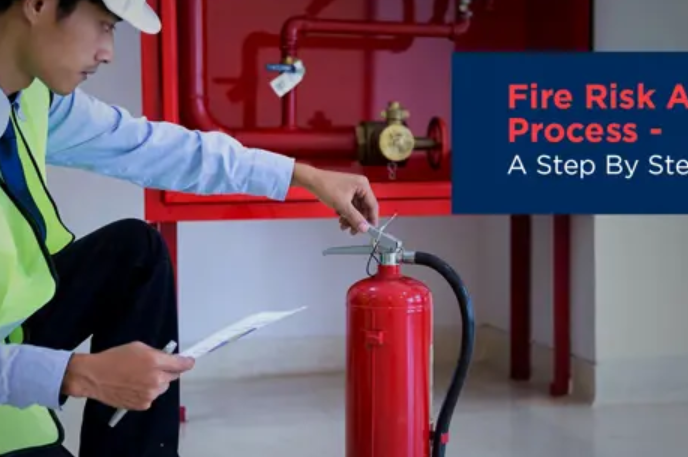
Fires are unpredictable and can result in devastating consequences for both people and property. A Fire Risk Assessment is a systematic approach to identifying potential fire hazards, evaluating risks, and implementing strategies to prevent fire incidents. It is an essential practice for any organization or building owner who wants to maintain a safe environment.
What is a Fire Risk Assessment?
A Fire Risk Assessment is a structured evaluation of a building or workplace to identify fire hazards, assess the potential risk to people and property, and recommend measures to reduce or control those risks. The assessment ensures compliance with safety regulations and helps organizations establish effective fire prevention and response plans, supported by the vigilance and rapid action provided by fire watch personnel when needed.
Why Conduct a Fire Risk Assessment?
Conducting a fire risk assessment is vital for several reasons:
- Life Protection: Safeguarding the lives of employees, visitors, and residents is the most critical objective.
- Property Protection: Fire can cause severe damage to buildings, equipment, and valuable assets, which can be mitigated through proper risk assessment.
- Legal Compliance: Many laws require organizations to carry out and maintain a fire risk assessment as part of workplace safety regulations.
- Business Continuity: Preventing fire incidents helps maintain operational continuity and reduces potential financial losses.
- Insurance Verification: Fire risk assessment documentation can support insurance coverage and claims.
See also: Window Repair Services: Keeping Your Home
Steps in Fire Risk Assessment
A thorough Fire Risk Assessment involves several structured steps to ensure all risks are identified and managed:
1. Identify Fire Hazards
Identify all potential sources of fire, such as:
- Electrical faults, appliances, and wiring issues
- Flammable liquids, gases, and chemicals
- Combustible materials including paper, fabric, and wood
- Heating systems, cooking equipment, and open flames
2. Identify People at Risk
Determine who might be affected by a fire:
- Employees and staff
- Visitors and customers
- Contractors and maintenance workers
- Vulnerable individuals such as children, elderly people, or people with disabilities
3. Evaluate the Risks
Assess the likelihood of a fire occurring and the severity of potential consequences. This evaluation helps determine the necessary control measures, including:
- Fire detection systems like smoke and heat alarms
- Fire suppression systems, such as extinguishers and sprinklers
- Clear, accessible, and unobstructed emergency exits
- Safe storage and handling of flammable materials
4. Record Findings
Documenting all findings is essential. A fire risk assessment report should include:
- Identified fire hazards
- People at risk
- Control measures already in place
- Recommendations for further improvements
This documentation is crucial for compliance and future reference.
5. Review and Update
Fire risk assessments should be reviewed regularly and updated whenever:
- Changes occur in building layout or structure
- New equipment, processes, or chemicals are introduced
- Staffing levels or occupancy changes
- Fire safety regulations are updated
- Any fire-related incident or near-miss occurs
Implementing Fire Safety Measures
Based on the assessment, organizations should adopt preventive and protective measures:
- Install smoke detectors, fire alarms, and heat sensors
- Provide fire suppression systems like sprinklers and extinguishers
- Maintain clear and marked emergency exits
- Conduct regular fire drills and staff training
- Store flammable materials safely and handle them properly
- Perform routine inspections and maintenance of electrical and fire safety equipment
Benefits of a Fire Risk Assessment
A properly conducted fire risk assessment provides multiple advantages:
- Reduces the likelihood of fire outbreaks
- Protects human life and minimizes injuries
- Limits damage to property and assets
- Ensures compliance with legal and regulatory standards
- Enhances emergency preparedness and response
- Promotes a culture of safety within the organization
Conclusion
A Fire Risk Assessment is an indispensable tool for maintaining safety in any workplace or building. By identifying hazards, evaluating risks, and implementing preventive measures, organizations can protect lives, reduce property damage, and maintain regulatory compliance. Regular reviews, staff training, and proactive safety practices ensure a secure and prepared environment. Prioritizing fire risk assessments is not only a legal obligation but a commitment to protecting people and assets from the devastating effects of fire.
