
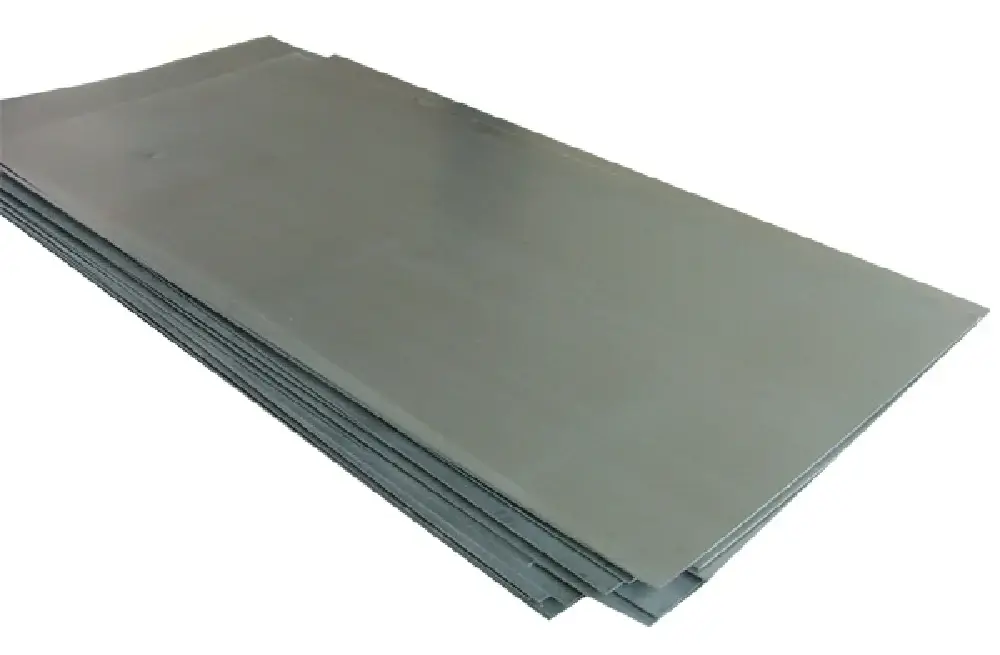
For engineering teams less familiar with aerospace material specification conventions, understanding the practical structure and content of the ams4911 spec helps clarify what this document actually covers and how it translates into concrete procurement requirements when sourcing Ti-6Al-4V plate material for aerospace applications.
How Aerospace Material Specifications Are Typically Structured
Specifications like this one typically organize requirements into distinct sections covering chemical composition limits, mechanical property requirements at various test conditions, processing and heat treatment parameters, and testing and inspection requirements, providing a comprehensive framework that leaves considerably less room for interpretation ambiguity compared to more general commercial material specifications.
Why Mechanical Property Requirements Represent a Central Compliance Focus
Among the various requirements this specification establishes, mechanical property thresholds, including tensile strength and elongation requirements, typically represent a central focus for compliance verification, since these properties most directly relate to how the material will actually perform in its intended structural application.
How This Specification’s Requirements Translate Into Practical Testing Expectations
Understanding that compliance with this specification requires suppliers to conduct and document specific testing protocols, rather than simply producing material that happens to meet property thresholds without formal verification, helps buyers set appropriate documentation expectations when requesting quotes and material from prospective suppliers.
For teams working to understand this specification’s practical requirements, this overview covering LINHUI TITANIUM ams4911 spec compliance details LINHUI TITANIUM’s testing protocols and documentation practices specific to this standard.
See also:Clever Methods to Introduce AI into Your Business
Frequently Asked Questions
Do all suppliers claiming compliance with this specification test to identical protocols? Ideally yes, since the specification itself defines required testing protocols, though verifying actual supplier practice against the specification’s specific requirements remains worthwhile rather than assuming uniform compliance across all claimed-compliant suppliers.
How detailed should test reports be for material claimed to meet this specification? Reports should ideally address each relevant specification requirement individually with corresponding test data, rather than providing only summary pass or fail conclusions without underlying supporting data.
Is this specification specific to a single titanium alloy, or does it cover multiple grades? This particular specification specifically addresses Ti-6Al-4V material, making it worth confirming you require this specific alloy before referencing this standard in your procurement documentation.
Final Thoughts
Understanding the practical structure and testing implications of this AMS specification helps procurement teams request and verify appropriate documentation when sourcing compliant titanium plate material.
