
ASTM G154 stands as one of the most widely referenced standards for UV fluorescent lamp weathering testing, yet many newer lab technicians and engineers benefit from a clear breakdown of exactly what it requires and why.
What ASTM G154 Covers
This standard specifically governs the operation of fluorescent UV lamp apparatus used for exposing materials to UV light and moisture, providing standardized guidance for conducting reproducible accelerated weathering tests.
Key Testing Parameters Defined by the Standard
Lamp Type Specification
ASTM G154 defines specific lamp types, including UVA-340 and UVB-313 options, each producing different spectral outputs suited to different testing goals and material types.
Cycle Timing Requirements
The standard specifies structured cycles alternating between UV exposure and condensation periods, with specific timing and temperature parameters that must be maintained for valid, standard-compliant testing.
Irradiance Level Control
Precise irradiance monitoring and control is required to ensure consistent UV exposure intensity throughout testing, directly affecting the reliability and repeatability of results.
Why Compliance Matters for Test Credibility
Following ASTM G154 precisely ensures your test results will be recognized and accepted by clients, regulatory bodies, and industry partners who reference this standard as a benchmark for weathering test validity.
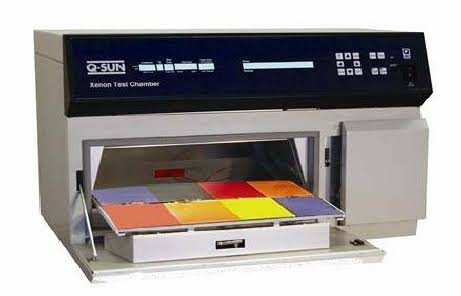
For a closer look at chamber equipment designed specifically for ASTM G154 compliance, LIB Industry astm g154 testing offers additional technical detail.
See also: How Technology Drives Business Innovation
Common Compliance Mistakes
Using incorrect lamp types for the specified test cycle, failing to maintain precise cycle timing, or neglecting regular irradiance calibration are among the most common ways labs fall out of compliance with this standard.
Documenting Test Conditions for Audit Purposes
Maintaining thorough documentation of lamp type, cycle parameters, and calibration records throughout testing supports credibility if results are ever questioned or audited by clients or regulatory bodies.
Frequently Asked Questions
What’s the difference between UVA-340 and UVB-313 lamps under this standard? UVA-340 lamps more closely replicate natural sunlight’s UV spectrum, while UVB-313 lamps provide more aggressive, accelerated exposure often used for faster comparative testing.
How often should irradiance levels be checked during ASTM G154 testing? Regular monitoring throughout the test cycle, following manufacturer and standard guidance, helps ensure consistent, compliant exposure levels.
Is ASTM G154 recognized internationally? Yes, it’s widely referenced and recognized across many industries and regions as a benchmark standard for UV fluorescent weathering testing.
Final Thoughts
Understanding ASTM G154’s specific requirements transforms weathering testing from a general practice into a precise, standardized process that produces genuinely credible, comparable results. Compliance with this level of detail is what gives test data its real value.
