
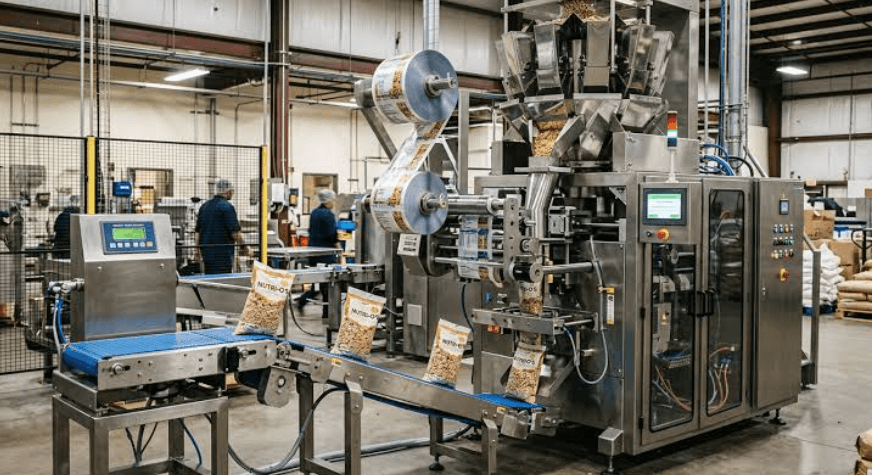
When comparing packaging equipment from different suppliers, it is easy to get lost in speed figures and price quotes while glossing over the certifications and materials listed further down the page. That is a mistake, because these details tend to say more about how a machine will actually hold up in daily use than almost anything else on a spec sheet.
Why Certifications Are Worth Checking
Certifications like CE, ISO 9001, and SGS are not just decorative badges. CE marking indicates that a piece of equipment meets recognized safety and performance requirements, which matters directly for the people operating it every day. ISO 9001 relates to a manufacturer’s quality management system, meaning the company has processes in place to catch problems and maintain consistency across production runs rather than relying on luck. SGS certification generally involves independent verification of a product’s claims, which adds a layer of confidence beyond what a manufacturer says about itself.
None of these certifications guarantee perfection, but their absence is worth noticing. A supplier that has gone through the process of earning recognized certifications has generally invested real time and money into meeting a standard, which tends to correlate with how seriously they take the rest of their manufacturing process too.
What the Contact Materials Actually Do
The materials used on the parts of a machine that touch the product or its wrapping film matter more than most buyers initially realize. Stainless steel is a common choice for these surfaces because it resists corrosion and is straightforward to clean thoroughly between production runs, which is particularly important for food, cosmetic, and pharmaceutical packaging where hygiene standards are strict and inspected. A surface that corrodes or degrades over time can introduce contamination risks that are entirely avoidable with the right material choice from the start.
Other components sometimes use materials like PTFE on surfaces where film needs to glide smoothly without sticking, since friction at that stage is often where tearing, misalignment, and jams originate. Getting this detail right is part of why purpose built equipment tends to perform more reliably over time than generic machinery that was not designed with these specific interactions in mind.
How This Applies to a Cellophane Overwrapping Machine Specifically
JOCHAMP’s cellophane overwrapping machine range is built with these considerations directly addressed, with the company noting that its equipment has passed CE, ISO 9001, and SGS certification, and that product contact surfaces use materials including 304 stainless steel, PTFE, and alumina. For a buyer evaluating multiple suppliers, these are exactly the kinds of specifics worth asking about directly rather than assuming they are equivalent across the board, since not every manufacturer uses the same grade of material or has gone through the same certification process.
See also: How Technology Drives Business Innovation
Questions Worth Asking Before You Buy
A few direct questions tend to reveal more than a glossy brochure ever will. Which specific certifications does the equipment hold, and can documentation be provided rather than just a logo on a webpage? What grade of stainless steel or other material is actually used on contact surfaces, since not all stainless steel performs the same way under repeated cleaning and heavy use? How does the manufacturer handle quality testing before a unit ships, and is that testing something they can describe in specific terms rather than vague reassurances?
Why This Matters Beyond the Sale
A machine bought without checking these details might run perfectly fine for the first few months, which is exactly why this part of due diligence gets skipped so often. The real test comes a year or two in, when lower quality materials start showing wear, or when a certification that was never actually earned becomes relevant during an audit or a customer’s own supplier verification process. Taking the time to verify certifications and materials upfront is a small effort compared to dealing with the consequences of having skipped it once the equipment is already installed and running.
