
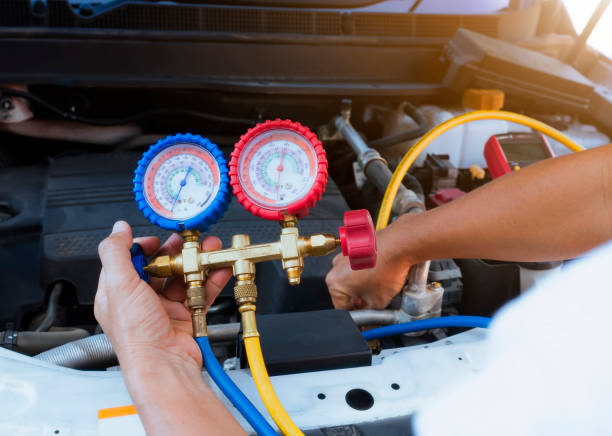
When you step into a car on a hot summer day and feel the rush of cool air from the vents, you might take for granted the complex system working behind the scenes. At the heart of every automotive air conditioning system is the AC compressor. This critical component is responsible for circulating refrigerant through the AC system, enabling your vehicle to maintain a comfortable cabin temperature. Understanding how compressors work, their types, and how to maintain them is essential for keeping your vehicle’s air conditioning system in top condition.
What Is an Automotive Air Conditioning Compressor?
The automotive AC compressor is a mechanical device that pressurizes and circulates refrigerant through the air conditioning system. Acting as the system’s pump, the compressor takes in low-pressure refrigerant gas from the evaporator and compresses it into a high-pressure, high-temperature gas. This gas then flows through the condenser, where it releases heat to the outside environment before cycling back to the evaporator to absorb more heat from the cabin air.
Without the compressor, the AC system cannot function. It ensures that refrigerant moves continuously through the system, allowing the cooling cycle to operate efficiently and keeping the car interior at a comfortable temperature.
See also: What Is Company Formation? Meaning, Process
How Automotive AC Compressors Work
The basic function of an AC compressor is to compress refrigerant gas and maintain the flow within the system. The process typically involves four main steps:
- Suction: Low-pressure refrigerant gas enters the compressor from the evaporator.
- Compression: The compressor increases the refrigerant’s pressure and temperature, turning it into a high-energy gas.
- Discharge: The high-pressure refrigerant exits the compressor and enters the condenser, where it releases heat.
- Cycle Continuation: The refrigerant continues through the system, cooling the cabin before returning to the compressor to repeat the process.
The compressor is powered by the engine via a drive belt, although modern vehicles with hybrid or electric systems may use electric compressors. Proper functioning of the compressor is essential for the AC system’s efficiency, comfort, and longevity.
Types of Automotive AC Compressors
Automotive AC compressors come in several types, each designed to meet specific vehicle needs. The main types include:
1. Reciprocating (Piston) Compressors
This traditional type uses pistons to compress refrigerant. It operates similarly to an internal combustion engine but in reverse, with pistons drawing in refrigerant gas and compressing it. Reciprocating compressors are reliable and widely used in older vehicles but tend to be noisier and less efficient than modern alternatives.
2. Rotary Vane Compressors
These compressors use rotating vanes inside a cylindrical housing to compress refrigerant. They are more compact, quieter, and smoother than piston compressors. Many mid-range vehicles use rotary vane compressors due to their efficiency and reliability.
3. Scroll Compressors
Scroll compressors feature two spiral-shaped scrolls, one fixed and one orbiting. As the orbiting scroll moves, it traps and compresses refrigerant. Scroll compressors are highly efficient, produce less noise, and are commonly used in modern cars, including many used cars in phoenix, where reliable air conditioning performance is an important consideration
4. Variable Displacement Compressors
Variable displacement compressors adjust the amount of refrigerant they compress based on cooling demand. By changing the piston stroke or using electronic controls, these compressors optimize efficiency, reduce fuel consumption, and prolong system life. They are standard in newer vehicles with advanced climate control systems.
5. Electric Compressors
Electric AC compressors are powered by the vehicle’s battery rather than the engine, making them ideal for hybrid and electric vehicles. They operate independently of engine speed, providing consistent cooling even when the engine is idle. Electric compressors are compact, energy-efficient, and compatible with modern vehicle systems.
Common Automotive AC Compressor Problems
Despite their robustness, AC compressors can develop issues over time. Here are some common problems car owners may face:
- Compressor Failure: Mechanical wear, internal damage, or lack of lubrication can cause the compressor to fail, resulting in no cooling.
- Refrigerant Leaks: Leaks in the compressor seals or connections reduce system efficiency and may damage the compressor if not addressed.
- Electrical Issues: Modern compressors often rely on sensors and electronic controls. Faulty wiring, blown fuses, or sensor failure can prevent the compressor from functioning.
- Noisy Operation: Squealing, grinding, or rattling sounds can indicate worn bearings, loose belts, or internal component damage.
- Clutch Problems: Many compressors have an electromagnetic clutch that engages or disengages the compressor. A faulty clutch can prevent the compressor from operating or cause continuous operation.
Regular maintenance and timely repairs can prevent minor issues from escalating into costly replacements.
Maintaining Your Automotive AC Compressor
Proper maintenance is key to prolonging the life of your AC compressor and ensuring consistent cooling performance. Here are some essential maintenance tips:
1. Check Refrigerant Levels
Low refrigerant levels can cause the compressor to overwork and eventually fail. Have your refrigerant levels checked and recharged by a certified technician to maintain proper cooling performance.
2. Inspect Belts and Pulleys
The compressor is driven by a belt connected to the engine. Regularly inspect belts for cracks, wear, or looseness. Replace worn belts promptly to prevent compressor damage.
3. Monitor AC Performance
Pay attention to cabin temperature, airflow, and unusual sounds. Early detection of irregularities can prevent severe compressor or system damage.
4. Clean Condenser and Evaporator
Dirt and debris on the condenser reduce heat dissipation efficiency, making the compressor work harder. Regularly clean the condenser and ensure proper airflow through the evaporator.
5. Professional Servicing
Schedule routine AC inspections every 1–2 years. Technicians can perform a comprehensive check, including compressor operation, refrigerant quality, and system pressures.
Tips for Prolonging Compressor Life
- Use the AC Regularly: Running the AC even during cooler months keeps the compressor lubricated and seals from drying out.
- Avoid Overworking the System: Gradually lower cabin temperature instead of maxing the AC instantly.
- Address Leaks Promptly: Leaks reduce refrigerant and can introduce moisture, damaging the compressor.
- Use Manufacturer-Recommended Refrigerant: Using the wrong type or overcharging can strain the compressor and reduce efficiency.
- Replace Filters and Components on Time: Cabin air filters, receiver-driers, and expansion valves should be replaced per manufacturer recommendations to protect the compressor.
When to Replace an AC Compressor
While maintenance extends the life of an AC compressor, replacement may become necessary in some situations:
- Compressor no longer engages despite proper refrigerant levels and functioning electrical components.
- Loud mechanical noises indicate internal failure.
- Persistent AC system issues despite repairs and maintenance.
- Severe refrigerant contamination or internal damage.
Replacing a compressor is a significant repair, so it’s essential to use OEM or high-quality aftermarket components and ensure proper system flushing and refrigerant charging during installation.
Conclusion
The automotive AC compressor is the heart of your vehicle’s air conditioning system. It is responsible for pressurizing and circulating refrigerant, enabling efficient cooling and cabin comfort. Understanding the different types of compressors, recognizing common issues, and following proper maintenance practices can help car owners avoid costly repairs and ensure reliable AC performance.
Whether you drive a traditional gasoline vehicle, a hybrid, or an electric car, the compressor plays a vital role in keeping your journey comfortable. Regular inspections, proper refrigerant management, and timely repairs ensure your AC system remains efficient and extends the life of the compressor, giving you cool and comfortable rides year-round.
