
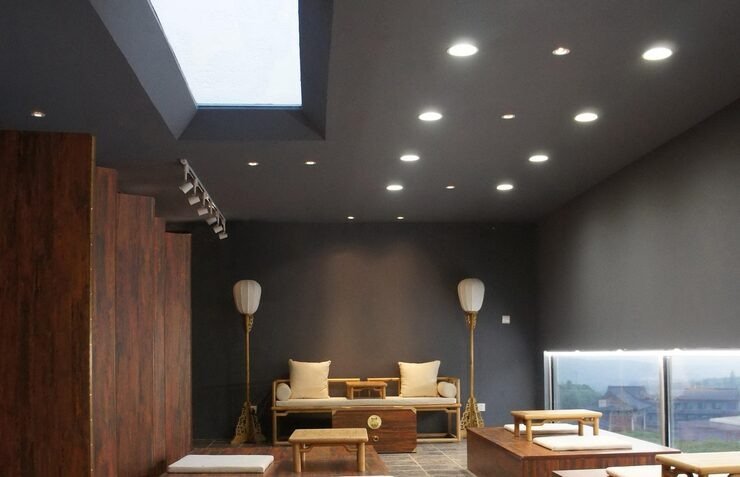
A skylight on a pitched roof is one of the most effective ways to transform a living space. By introducing natural daylight from above, homeowners can improve interior comfort, visual appeal, and energy efficiency without major structural changes. Pitched roof skylights are designed to work with sloped roofing systems, making them both practical and visually refined when installed correctly.
This guide explains how pitched roof skylights work, their benefits, design options, installation considerations, and how to choose the right solution for your home.
Understanding Skylights on Pitched Roofs
A pitched roof skylight is specifically engineered to integrate with a sloping roof structure. The angle of the roof helps water drain away naturally, which improves weather resistance and long term durability. Unlike flat roof systems, pitched installations rely on precise flashing and positioning to ensure proper sealing.
Modern skylights are manufactured with advanced glazing, insulated frames, and weatherproof flashing kits that match different roof pitches. When installed professionally, they become a seamless part of the roof rather than an added feature.
Benefits of Pitched Roof Skylights
Increased Natural Light
Natural light from above reaches deeper into a room than light from vertical windows. A skylight on a pitched roof can brighten hallways, kitchens, lofts, and bathrooms that might otherwise feel dark or enclosed. This daylight improves mood and reduces reliance on artificial lighting during the day.
Improved Energy Efficiency
High quality pitched roof skylights use double or triple glazing with thermal coatings. These features help regulate indoor temperatures by reducing heat loss in cooler months and limiting heat gain during warmer periods. With proper placement, a skylight can contribute to overall energy savings.
Enhanced Ventilation
Many pitched roof skylights are operable, allowing warm air to escape from the highest point of a room. This natural ventilation helps regulate indoor air quality and reduces moisture buildup, especially in kitchens and bathrooms.
Visual Appeal and Property Value
A well positioned skylight adds architectural interest to both the interior and exterior of a home. The sense of openness and light often increases property appeal and can contribute positively to resale value.
Types of Pitched Roof Skylights
Fixed Skylights
Fixed units are designed solely for daylight. They do not open but offer excellent insulation and a clean, minimal look. These are ideal for areas where ventilation is not required.
Venting Skylights
Venting skylights can be opened manually or electronically. They are suitable for rooms that benefit from airflow and temperature control. Some models include rain sensors that close the skylight automatically during wet weather.
Roof Windows
Roof windows are a larger option often used in loft conversions or attic spaces. They are installed within reach and can be opened fully, offering both light and exterior views.
Custom Shapes and Sizes
Pitched roof skylights are available in various shapes including rectangular, square, and circular designs. Custom sizing allows homeowners to match skylights to room proportions and roof structure.
See also: How Home Security Systems Protect Irish Homes Year-Round
Placement and Design Considerations
The placement of a skylight on a pitched roof affects both performance and comfort. Orientation matters, as sunlight exposure changes throughout the day. North facing skylights provide consistent, soft light, while south facing ones deliver stronger daylight.
Roof pitch must also match the skylight specifications. Manufacturers provide minimum and maximum pitch requirements to ensure proper drainage and sealing. Interior factors such as ceiling height, shaft depth, and room function should be considered during planning.
Working with experienced professionals like Skylights Roof Lanterns ensures that these factors are addressed correctly from the start.
Installation Process Overview
Installing pitched roof skylights involves several key steps:
- Assessing roof structure and pitch
- Cutting the roof opening and reinforcing framing
- Installing underlayment and flashing systems
- Securing the skylight unit
- Finishing interior surfaces around the opening
Proper installation is essential to prevent leaks, drafts, or heat loss. Professional installers use manufacturer approved flashing kits designed for specific roofing materials such as shingles or tiles.
Maintenance and Longevity
Pitched roof skylights require minimal maintenance when installed correctly. Regular inspections help ensure seals remain intact and glass stays clean. Most modern glazing includes coatings that reduce dirt buildup and block harmful ultraviolet rays.
With quality materials and correct installation, skylights can perform reliably for decades without significant issues.
Choosing the Right Skylight Solution
When selecting a skylight on a pitched roof, consider product quality, glazing performance, and warranty coverage. A trusted supplier like Skylights Roof Lanterns offers solutions designed for durability, energy efficiency, and visual harmony with pitched roofing systems.
It is also important to work with installers who understand local building standards and roofing practices to ensure compliance and safety.
Contact us today to learn more about how a skylight on a pitched roof can enhance your living space with natural light, comfort, and timeless style.
