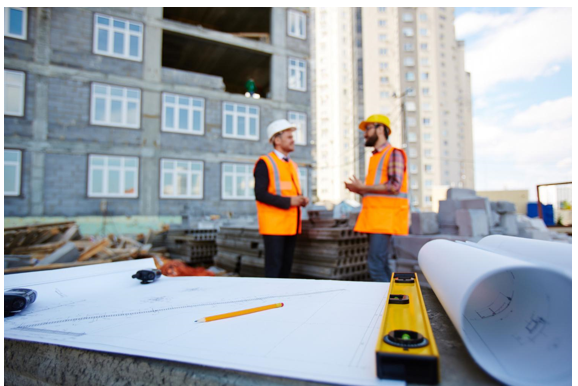
Modern infrastructure development requires more than just construction—it demands precision engineering, disciplined execution, and long-term performance planning. From commercial complexes to large-scale infrastructure, every project must meet strict quality, safety, and durability standards. Businesses today are increasingly selective when choosing contractors, prioritizing partners who can combine technical knowledge with efficient project management.
In rapidly developing markets, the role of civil contractors Dubai has become especially critical. With complex regulatory frameworks and high-performance expectations, contractors must deliver projects that are structurally sound, cost-effective, and completed on time. By leveraging advanced construction technologies, experienced teams, and robust quality systems, leading contractors help organizations achieve reliable and future-ready infrastructure outcomes.
Civil Contractors Dubai: Driving Modern Infrastructure Success
The construction environment in Dubai is fast-paced and technically demanding. Professional civil contractors Dubai must balance speed with precision while maintaining strict compliance with local standards. Successful contractors distinguish themselves through strategic planning, advanced equipment, and a strong culture of quality assurance.
● Strategic Project Planning and Coordination
Effective civil construction begins with detailed planning and coordination among stakeholders. Experienced contractors conduct thorough site evaluations, soil testing, and feasibility studies before breaking ground. This early-stage diligence reduces uncertainties later in the project. Clear scheduling, milestone tracking, and resource forecasting allow teams to maintain steady progress while avoiding costly disruptions that often affect poorly planned developments.
● Adoption of Advanced Construction Technologies
Technology has transformed how civil projects are executed. Modern contractors integrate digital surveying tools, Building Information Modeling (BIM), and automated machinery to improve precision and productivity. These innovations reduce manual errors, enhance collaboration between design and execution teams, and accelerate timelines. Contractors that embrace technology are better equipped to manage complex structures and deliver consistent results across large-scale developments.
● Quality Assurance and Regulatory Compliance
Dubai maintains stringent construction regulations, making quality control a top priority. Professional contractors implement layered inspection systems at every stage—from foundation work to structural completion. Detailed documentation, material testing, and third-party verification ensure full compliance. This disciplined approach minimizes rework, enhances safety, and ensures the finished structure meets both regulatory and client expectations.
● Skilled Workforce and Site Supervision
A project’s success ultimately depends on the expertise of the workforce executing it. Leading contractors invest heavily in training programs, safety certifications, and performance monitoring. Strong site supervision ensures tasks are completed according to engineering specifications. With experienced project managers and field engineers overseeing operations, contractors maintain productivity while upholding strict workmanship standards throughout the build process.
See also: How can Overseas buy a plot in Blue World City Downtown?
● Sustainable and Cost-Efficient Practices
Sustainability is no longer optional in modern construction. Progressive contractors adopt resource-efficient materials, optimized logistics, and waste reduction strategies to minimize environmental impact. Energy-efficient construction methods and smart material planning also help clients control long-term operational costs. By balancing sustainability with performance, contractors deliver infrastructure that is both environmentally responsible and economically viable.
Civil Works Contractor: Delivering End-to-End Project Reliability
Selecting the right civil works contractor is a decisive factor in project success. A capable contractor offers integrated services that streamline execution from excavation to final finishing. This unified approach improves coordination, reduces delays, and ensures consistent quality across every phase of development.
● Comprehensive Project Scope Management
An experienced contractor manages multiple construction components under a centralized system. From earthworks and concrete works to external infrastructure, unified management eliminates communication gaps between subcontractors. This holistic oversight improves accountability and ensures that each project stage aligns with the master schedule and engineering intent.
● Risk Mitigation and Safety Excellence
Construction environments carry inherent risks that must be carefully managed. Professional contractors implement proactive safety frameworks, including hazard assessments, method statements, and emergency preparedness plans. Regular safety audits and workforce training programs reinforce compliance on-site. Strong safety culture not only protects workers but also prevents costly project interruptions and reputational risks.
● Efficient Resource and Timeline Control
Meeting deadlines requires disciplined resource planning and real-time performance monitoring. Experienced contractors use advanced scheduling software and productivity tracking tools to maintain visibility across project activities. This data-driven approach enables quick adjustments when challenges arise, keeping timelines intact while maintaining budget control.
● Integrated Engineering Collaboration
Civil works must align seamlessly with structural steel, mechanical systems, and architectural requirements. Skilled contractors maintain close coordination with consultants, fabricators, and project managers. Early clash detection and continuous communication help prevent costly design conflicts. This collaborative workflow ensures smoother installation phases and higher overall build quality.
● Focus on Long-Term Structural Durability
The true measure of civil construction quality is long-term performance. Professional contractors emphasize proper curing processes, material integrity, and precise execution techniques. Attention to these details enhances structural lifespan and reduces maintenance costs over time. Clients benefit from infrastructure that remains safe, stable, and efficient for years after project completion.
Choosing the Right Partner for Complex Infrastructure Projects
Selecting a contractor should involve more than simple price comparison. Organizations must carefully evaluate technical capability, past project performance, safety records, financial stability, and scalability before making a decision. A partner with proven expertise can anticipate on-site challenges, recommend practical value-engineering solutions, and maintain consistent quality even under tight deadlines. It is also important to review their project management approach, communication transparency, and ability to adapt to changing requirements. Conducting thorough due diligence and reference checks significantly reduces project risk, improves coordination among stakeholders, and ensures smoother execution across every phase of complex infrastructure development.
Conclusion
Infrastructure projects today demand a careful balance of speed, precision, and engineering excellence. Organizations that partner with experienced contractors gain significant advantages in quality control, risk management, and long-term asset performance. As construction standards continue to rise, choosing the right partner becomes a strategic investment rather than a routine procurement decision.
Working with a dependable civil works contractor ensures that complex developments are delivered efficiently and built to last. Biston Steel Manufacturing supports modern construction requirements through strong engineering expertise and reliable fabrication capabilities. By collaborating with Biston Steel Manufacturing, businesses can confidently deliver high-performance infrastructure designed to meet the demands of the future.