
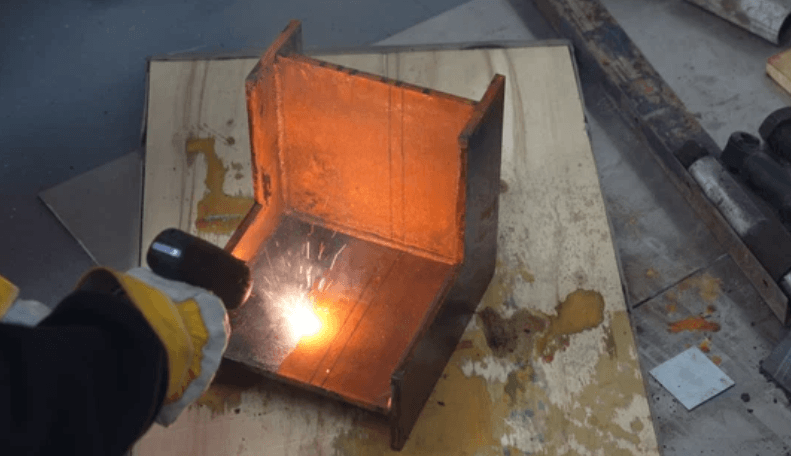
Laser cleaning technology comes in a couple of different fundamental approaches, and understanding the difference between pulse and continuous wave systems matters for anyone trying to choose the right equipment for their specific application. These are not just marketing labels attached to similar underlying technology. They represent genuinely different ways of delivering laser energy to a surface, with real practical consequences for how each type of system performs.
The Basic Difference in How Energy Gets Delivered
A continuous wave laser delivers a steady, uninterrupted beam of energy to the surface being treated. A pulse laser, by contrast, delivers energy in extremely short, rapid bursts rather than a continuous stream. Each individual pulse lasts an incredibly brief fraction of a second, but the peak power during that brief pulse can be significantly higher than the average power of a continuous wave system, even though the total energy delivered over time might be comparable between the two approaches.
Why This Matters for Heat Management
One of the more practically significant differences between the two approaches comes down to heat management on the surface being cleaned. Because pulse lasers deliver energy in short bursts with gaps in between, there is more opportunity for heat to dissipate between pulses compared to the continuous heat buildup that can occur with a steady continuous wave beam. This generally gives pulse systems an advantage when working with heat sensitive materials, where excessive heat buildup could damage or warp the underlying material during the cleaning process.
Precision and Control Advantages of Pulse Systems
The pulsed nature of this technology also tends to offer finer control over the cleaning process, since each pulse can be precisely controlled in terms of duration, intensity, and frequency. This level of control makes pulse systems particularly well suited to delicate or precision cleaning applications, where the goal is removing a specific contaminant or coating layer while leaving the underlying material completely unaffected.
Where Continuous Wave Systems Still Have Real Advantages
Continuous wave systems are not simply an older or inferior technology compared to pulse systems. For certain heavy duty industrial applications involving thick coatings or large surface areas where speed matters more than fine precision, continuous wave systems can offer faster overall cleaning rates, since they are delivering energy to the surface without the gaps inherent to a pulsed approach. The right choice really depends on the specific balance of speed, precision, and heat sensitivity relevant to a given application.
Applications Where Pulse Technology Tends to Excel
Given the heat management and precision advantages described above, pulse laser cleaning machine systems tend to be particularly well suited to applications involving delicate components, historical restoration work, precision manufacturing environments, and any situation where preserving the exact integrity of the underlying material is a genuine priority rather than a secondary concern to overall cleaning speed.
Making an Informed Choice Between the Two Approaches
Neither pulse nor continuous wave laser cleaning is universally superior to the other. The right choice depends entirely on the specific material being cleaned, the sensitivity of that material to heat, and whether precision or raw cleaning speed matters more for a given application. Understanding these genuine technical differences, rather than assuming all laser cleaning equipment functions essentially the same way regardless of underlying technology, helps ensure a business or individual chooses equipment actually suited to their real cleaning needs.
See also: How Technology Drives Business Innovation
Why This Distinction Deserves Real Attention Before Purchasing
Given how significantly these two approaches differ in practical performance, it is worth asking directly which technology a specific piece of equipment uses before purchasing, rather than assuming the distinction is a minor technical detail that does not meaningfully affect real world results. For applications involving sensitive materials or precision requirements, this distinction can make a genuine difference in whether the equipment actually performs the way it needs to.
