
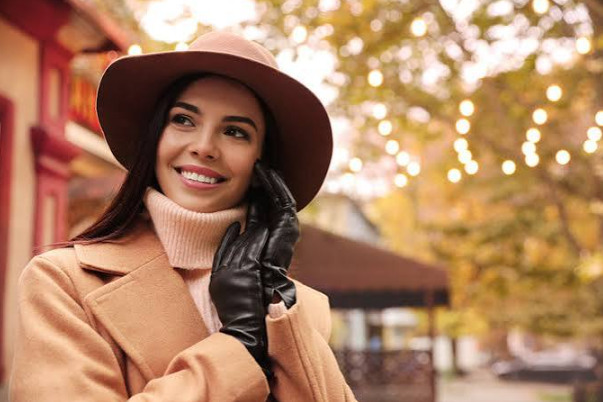
A carefully selected fashion accessory can completely change the character of an outfit. It can add color to neutral clothing, introduce texture to a simple look, or provide a polished finishing detail for a more formal occasion. Among the many accessories available today, a silk accessory remains particularly versatile because it can be styled in numerous ways and carried easily.
A well-chosen scarf can become much more than something worn around the neck. Depending on its size, material, color, and pattern, it can be incorporated into everyday outfits, travel wardrobes, professional clothing, and special-occasion looks. Understanding how to choose and style one can help make it a useful part of a modern wardrobe.
Why This Accessory Remains Popular
Fashion trends change regularly, but certain accessories remain relevant because they offer practical styling possibilities. A lightweight scarf is one example. It can provide a subtle layer of color without changing the rest of an outfit.
Silk versions are especially popular because of their smooth texture and elegant appearance. The fabric can be folded, wrapped, knotted, or draped in different ways, allowing one piece to create several different looks.
This versatility also makes such accessories useful for people who prefer to build a wardrobe around a smaller number of carefully selected pieces.
Choosing the Right Material
Material should be considered before focusing on color or pattern. Different fabrics create different levels of softness, warmth, structure, and visual texture.
Silk is lightweight and has a smooth surface that can work particularly well for elegant styling. Cotton and other fabrics may provide a more casual appearance, while heavier materials can be more appropriate during colder seasons.
The intended use should guide the decision. Someone looking for a lightweight accessory for indoor and outdoor styling may have different requirements from someone searching for additional warmth.
Selecting an Appropriate Size
Size determines how many ways an accessory can be styled. Smaller square designs can work well for simple neck knots, hair styling, or handbag decoration.
Larger designs offer additional possibilities. They can be folded into different shapes, draped over the shoulders, or wrapped more loosely around the neck.
Before purchasing, consider how you expect to wear the piece. Choosing a size based on actual styling habits can make the accessory more useful over time.
Finding Colors That Complement Your Clothes
Color is one of the easiest ways to use an accessory to change an outfit. Neutral clothing can provide a background for brighter colors, while colorful outfits may benefit from a more understated design.
If versatility is the priority, shades that coordinate with several pieces in your wardrobe can be useful. Black, cream, beige, navy, and muted tones can often work across multiple outfits.
On the other hand, a vibrant shade or distinctive print can become the focal point of an otherwise simple outfit.
The best choice depends on whether the accessory is intended to blend into the outfit or make a stronger visual statement.
Exploring Different Patterns
Patterns can influence the overall impression of an accessory. Floral designs can create a softer appearance, while geometric prints may feel more structured. Abstract and artistic patterns can provide a more distinctive look.
When choosing a patterned design, consider the clothing it will be paired with. A heavily patterned outfit may work better with a simpler accessory, while plain clothing can provide an opportunity to introduce a more noticeable print.
Longchamp’s women’s silk collection includes different designs and formats, offering examples of how color and pattern can be used to create different styling effects.
Traditional Neck Styling
Wearing an accessory around the neck remains one of the most recognizable styling methods. It can be folded into a triangle and tied loosely for a relaxed appearance or wrapped more closely for a polished look.
The position of the knot can also change the overall effect. A centered knot can create a symmetrical appearance, while an off-center style may feel more casual.
The fabric should sit comfortably without being pulled too tightly. Lightweight materials can provide an elegant drape without creating unnecessary bulk.
Styling It in the Hair
A lightweight accessory can also become part of a hairstyle. It can be tied around a ponytail, incorporated into a braid, or wrapped around a bun.
This approach works particularly well when the accessory has an interesting print or color. Because only part of the design may be visible, even a detailed pattern can add a subtle touch to an otherwise simple hairstyle.
Hair styling also gives an accessory a completely different purpose, allowing the same piece to be used in more than one way.
Decorating a Handbag
Another popular option is wrapping an accessory around the handle of a handbag. This can add color and personality without requiring a major change to the outfit.
The fabric can be tied into a small knot, bow, or loose wrap depending on the desired appearance. It can also be removed whenever a different style is preferred.
This approach is particularly useful for people who want to refresh the appearance of an existing handbag without replacing it.
Styling for Professional Outfits
Accessories can work well in professional wardrobes when their colors and patterns are selected thoughtfully.
A subtle design can complement a blouse, blazer, dress, or tailored outfit without becoming distracting. Neutral colors and refined patterns can create a polished appearance suitable for many workplace settings.
For a more creative professional environment, a brighter print may add personality while still maintaining an overall sophisticated look.
The key is to coordinate the accessory with the rest of the outfit rather than allowing it to compete with several other strong elements.
Styling for Travel
A lightweight accessory can be scarf particularly useful while travelling because it takes up very little space. It can be packed into a handbag or suitcase and used in several different ways during a trip.
It can provide an additional layer in an air-conditioned environment, become part of an evening outfit, or add color to basic travel clothing.
Because it is compact, carrying one or two carefully selected designs can provide additional styling options without significantly increasing luggage weight.
Caring for Delicate Fabrics
Proper care is essential when dealing with delicate materials. Always check the manufacturer’s care instructions before washing, ironing, or cleaning the accessory.
Avoid harsh cleaning products or excessive heat unless specifically permitted. Storing delicate fabric carefully can also help preserve its color, shape, and surface.
When not in use, keep it in a clean, dry place away from rough materials that could cause pulling or snagging.
Good maintenance can help an accessory remain attractive and functional for a longer period.
Making a Practical Selection
When choosing a new accessory, consider several factors together rather than focusing on appearance alone. Material, size, color, pattern, styling possibilities, and care requirements can all affect how useful the piece will be.
For shoppers exploring different silk designs, collections can provide inspiration for comparing different patterns, colors, and formats.
The most useful choice is one that fits naturally into an existing wardrobe and can be styled for more than one occasion.
Frequently Asked Questions
1. What is the easiest way to style a scarf?
Wearing it around the neck is one of the simplest options. It can be folded into a triangle, wrapped loosely, or tied into a small knot depending on the desired appearance.
2. Can a scarf be used as a hair accessory?
Yes. Lightweight designs can be tied around ponytails or buns, incorporated into braids, or used as a decorative head accessory.
3. How should a silk scarf be stored?
Keep it in a clean, dry place away from excessive moisture, direct sunlight, and rough surfaces. Follow the manufacturer’s care instructions for cleaning and maintenance.
Conclusion
A versatile fashion accessory can provide an easy way to refresh an existing wardrobe without making major changes. Different sizes, colors, patterns, and styling techniques allow one piece to work across casual, professional, travel, and special-occasion outfits.
By considering material, size, personal style, and intended use before purchasing, it becomes easier to choose a piece that offers genuine versatility. With appropriate care, a well-selected silk accessory can remain an elegant and useful part of a wardrobe for years.
