
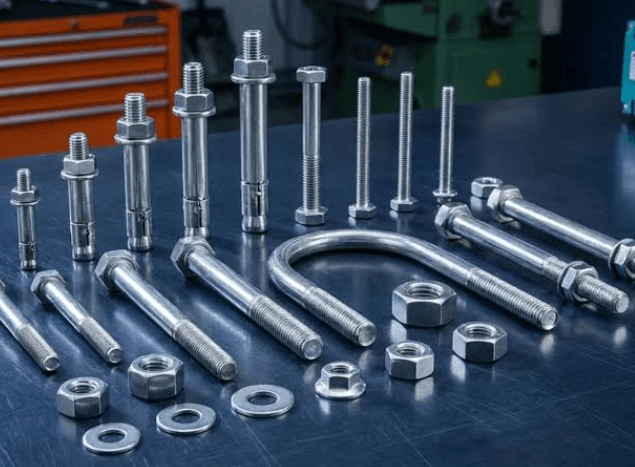
Quality control in anchor bolt production is not a topic that gets much attention outside of engineering circles, but it deserves far more scrutiny than it usually receives from project teams sourcing this kind of hardware. Since anchor bolts often end up buried in concrete, embedded in rock, or otherwise hidden once installed, defects that make it through production without being caught can go unnoticed until they cause a real structural problem, sometimes years later.
Why Quality Control Matters More Here Than in Many Products
A lot of products can be inspected or tested after installation if something seems wrong. Anchor bolts are different. Once installed, they are frequently inaccessible for direct inspection, which means the quality control performed during manufacturing is effectively the only real check that ever happens before the product goes into permanent structural service. This makes manufacturing quality control a genuinely higher stakes issue for anchor bolts than it might be for many other construction materials.
What Proper Testing Actually Looks Like
A manufacturer with rigorous quality control typically conducts tensile strength testing, dimensional accuracy checks, and material composition verification across production batches, rather than relying purely on periodic spot checks. Understanding what specific tests a manufacturer conducts, and how frequently, gives real insight into how seriously quality control is treated internally, beyond just claims made in marketing materials.
Batch Documentation and Traceability
Reliable manufacturers maintain documentation that allows a specific batch of anchor bolts to be traced back through the production process, including material sourcing and test results for that particular batch. This traceability matters practically, since it allows any issues discovered later to be traced back to a specific production run rather than raising uncertainty about an entire product line. Asking whether a manufacturer maintains this kind of batch level documentation is a reasonable and important question during the sourcing process.
Coating and Corrosion Protection Verification
For anchor bolts installed in environments involving moisture or corrosive soil conditions, the quality of corrosion protection coatings matters significantly for long term performance. Quality control around coating application, including thickness verification and adhesion testing, should be part of a rigorous manufacturing process, and a reliable anchor bolt manufacturer should be able to speak clearly and specifically about how this aspect of production is controlled and verified.
Third Party Verification Adds a Real Layer of Confidence
Some manufacturers submit their products to independent third party testing and certification, beyond their own internal quality control processes. This kind of external verification adds a genuine layer of confidence, since it is not solely dependent on the manufacturer’s own internal standards and reporting. Projects with strict compliance requirements often specifically look for this kind of independent certification as part of their sourcing criteria.
Red Flags Worth Watching For
A manufacturer who is vague or evasive about their quality control processes, unwilling to provide test documentation, or unable to explain how batch traceability works is worth treating with real caution, regardless of how competitive their pricing might be. Given the structural stakes involved, a slightly higher price from a manufacturer with rigorous, well documented quality control is generally a far better long term value than a lower price from one that cannot clearly explain their own quality assurance process.
See also: How Technology Drives Business Innovation
Making Quality Control Part of the Sourcing Conversation
Quality control should not be an afterthought raised only if a problem eventually surfaces after installation. Making it a genuine part of the sourcing conversation from the beginning, with direct questions about testing, documentation, and certification, leads to a much more informed purchasing decision, and ultimately to structural hardware that performs reliably for the full lifespan it is expected to serve.
None of this needs to slow down the sourcing process significantly. A manufacturer with genuinely strong quality control practices tends to have this information readily available and is usually happy to share it, since it reflects well on the standards they have already built into their production process.
