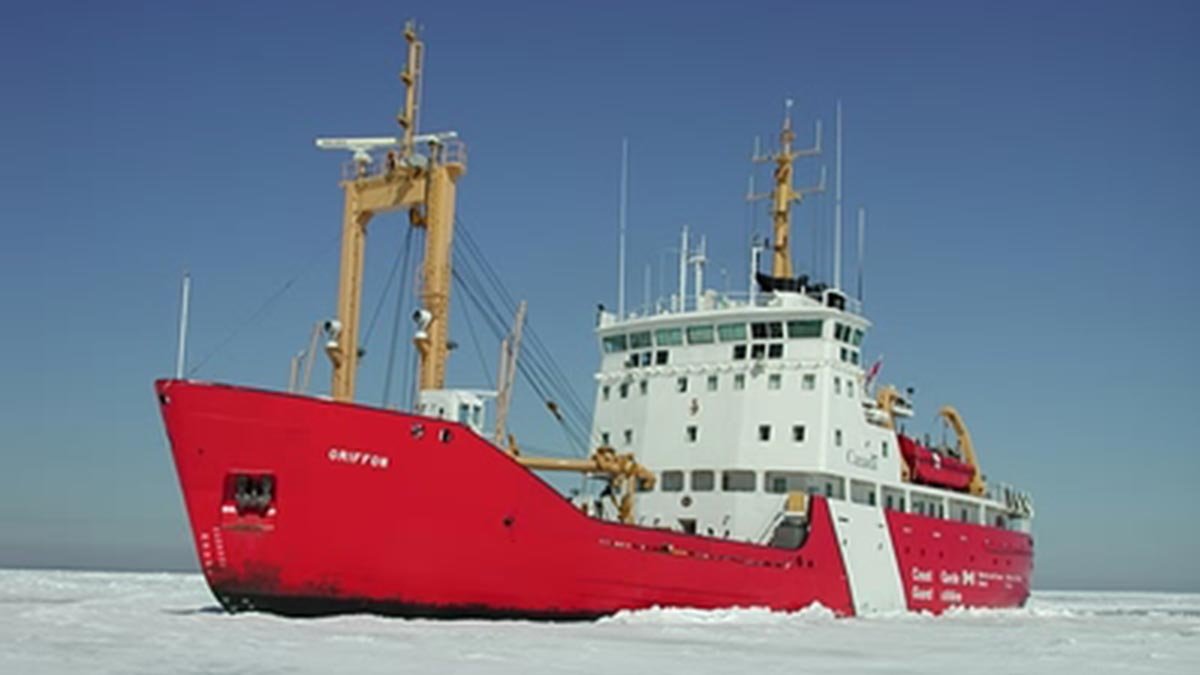
Ship design becomes significantly more complex when vessels are expected to operate in harsh environments. Calm coastal waters and predictable weather are replaced by ice-covered seas, freezing temperatures, massive waves, and strong winds. In these conditions, safety, durability, and reliability are not optional. They are essential. Designing ships for Arctic regions, ice-class operations, and heavy seas requires careful engineering choices that go far beyond standard vessel construction.
Ship design for harsh environments focuses on survival and performance under extreme stress. Every element, from hull shape to onboard systems, must work together to withstand ice pressure, violent motion, and limited access to support or rescue. This article explores how ship design adapts to these challenges, explaining the principles behind ice-class vessels, Arctic operations, and ships built for heavy seas in clear and simple terms.
Why Harsh Environments Demand Specialized Ship Design
Harsh marine environments push ships to their limits. Ice can crush hulls, freezing temperatures can disable equipment, and heavy seas can threaten stability and structural integrity. In such conditions, traditional ship design approaches are often insufficient.
Designing ships for extreme environments requires a shift in priorities. Strength, redundancy, and resilience take precedence over speed or cost efficiency. Ship design must account for long periods of isolation, unpredictable weather, and limited repair opportunities.
A vessel operating in Arctic or heavy-sea conditions must continue functioning even when parts of the system fail. This requirement shapes every design decision, from materials to layout.
Understanding Ice-Class Ship Design
Ice-class ships are designed to operate in waters where ice is present for extended periods. Ice-class ratings define the level of ice a ship can safely navigate, and ship design must meet strict structural requirements to achieve these classifications.
Ice exerts powerful forces on a vessel. Unlike waves, ice applies constant pressure and sudden impact loads. Ship design counters this by reinforcing the hull, especially around the bow and waterline.
Hull plating is thicker, and internal framing is stronger to resist ice pressure. The goal is not just to break ice, but to survive repeated contact without damage.
Hull Shape for Ice Navigation
Hull shape plays a critical role in ice-class ship design. Instead of cutting through water alone, the hull must interact with ice in a controlled way.
Many ice-class vessels use a sloped bow that rides up onto the ice and breaks it using the ship’s weight. This approach reduces direct impact and spreads force over a larger area.
The hull sides are often shaped to reduce friction with ice. Smooth surfaces and rounded forms help prevent ice from gripping the hull, reducing resistance and structural stress.
Structural Reinforcement and Materials
Materials used in harsh-environment ship design must remain strong and flexible at low temperatures. Some materials become brittle in freezing conditions, increasing the risk of cracking.
Ship design for Arctic operations uses steels and alloys tested for low-temperature toughness. Structural reinforcement is concentrated in areas exposed to ice impact and wave loads.
Internal framing systems distribute forces throughout the hull. This prevents localized damage from spreading and maintains overall structural integrity.
Propulsion Systems for Ice and Heavy Seas
Propulsion is another critical aspect of ship design in harsh environments. Ice and rough seas place enormous strain on propellers and shafts.
Ice-class ships often use reinforced propellers designed to withstand ice impact. Propulsion systems are engineered to deliver high torque at low speeds, allowing the ship to push through ice without stalling.
Redundancy is common in harsh-environment ship design. Multiple propulsion units or backup systems ensure that a vessel can continue operating even if one component fails.
Steering and Maneuverability Challenges
Steering in ice-covered or heavy-sea conditions is far more demanding than in calm waters. Ice can block rudders, while waves can reduce steering effectiveness.
Ship design addresses this by protecting rudders and steering gear with reinforced structures. Some vessels use multiple rudders or advanced steering arrangements to maintain control.
Maneuverability is essential for avoiding ice pressure zones and maintaining course in heavy seas. Designers focus on predictable handling rather than sharp turning performance.
Stability in Heavy-Sea Operations
Heavy seas present a different challenge from ice. Massive waves cause rolling, pitching, and slamming forces that can compromise safety and comfort.
Ship design for heavy-sea operations emphasizes stability. Hull proportions, weight distribution, and center of gravity are carefully managed to reduce excessive motion.
A stable ship moves in a controlled, predictable way. This reduces the risk of cargo shifting, structural fatigue, and crew injury.
Strength Against Wave Impact
Wave impact loads can be as damaging as ice pressure. In heavy seas, waves strike the hull with tremendous force, especially at the bow.
Ship design reinforces the forward structure to resist repeated wave slamming. Deck structures and bulkheads are strengthened to prevent deformation and leakage.
These design choices ensure that the vessel can endure long periods of rough weather without suffering critical damage.
Deck Layout and Equipment Protection
In harsh environments, exposed equipment is vulnerable. Ice accumulation, freezing spray, and heavy waves can damage deck machinery.
Ship design protects deck equipment through enclosures, heating systems, and strategic placement. Critical systems are shielded from direct exposure whenever possible.
Deck layout is simplified to reduce hazards. Clear pathways and protected work areas improve safety for crew members operating in extreme conditions.
Onboard Systems for Cold and Isolation
Ship design for Arctic and remote operations must consider long periods without external support. Systems must be reliable and easy to maintain.
Heating systems are essential not just for comfort, but for equipment survival. Pipes, tanks, and machinery are protected against freezing through insulation and controlled heating.
Redundant power generation ensures that essential systems remain operational even during failures. Ship design prioritizes self-sufficiency in these environments.
Crew Safety and Habitability
Crew safety is central to harsh-environment ship design. Extreme cold, rough seas, and long missions place physical and mental strain on personnel.
Living spaces are designed to be warm, quiet, and protected from vibration. Ship design recognizes that a well-rested crew performs better and responds more effectively to emergencies.
Safe access routes, handrails, and non-slip surfaces reduce the risk of accidents on board. Every detail supports crew endurance and safety.
Navigation and Visibility Challenges
Visibility in Arctic and heavy-sea regions can be poor due to snow, fog, and storms. Ship design supports navigation through protected bridge placement and clear sightlines.
Windows are reinforced and heated to prevent ice buildup. Navigation equipment is positioned for easy access and protected from harsh conditions.
The bridge is often located to provide maximum forward visibility while remaining sheltered from wind and spray.
Environmental and Operational Responsibility
Operating in sensitive environments such as the Arctic requires responsible ship design. While performance is critical, minimizing environmental impact is also important.
Designers focus on reducing the risk of fuel spills and structural failure. Robust containment systems and careful layout help protect fragile ecosystems.
Ship design balances operational capability with responsibility, recognizing the importance of preserving harsh but vulnerable environments.
Read Also: TITUM Fusion Advanced Titanium Cookware Technology for Precision and Performance
Testing and Validation of Harsh-Environment Ships
Before entering service, ships designed for harsh environments undergo extensive testing. Ship design assumptions are validated through simulations, model testing, and real-world trials.
Ice trials and heavy-sea testing confirm that the vessel performs as intended. Feedback from these tests informs future design improvements.
This continuous learning process strengthens ship design standards and improves safety over time.
FAQs About Ship Design for Harsh Environments
What is an ice-class ship?
An ice-class ship is designed and reinforced to operate safely in ice-covered waters, with specific structural and propulsion features to handle ice loads.
Why is hull shape important in ice navigation?
Hull shape determines how a ship interacts with ice. A properly designed hull reduces impact forces and helps break ice efficiently.
How does ship design improve safety in heavy seas?
Ship design improves safety through enhanced stability, reinforced structures, and controlled motion in rough water.
Are harsh-environment ships slower than regular ships?
They may prioritize strength and reliability over speed, but they are designed to maintain safe progress in conditions where regular ships cannot operate.
Why is redundancy important in harsh-environment ship design?
Redundancy ensures continued operation if systems fail, which is critical in remote areas where assistance may not be available.
Conclusion
Ship design for harsh environments is a discipline shaped by extreme challenges and high stakes. Ice-class vessels, Arctic ships, and heavy-sea operators must endure forces that test every aspect of engineering. Through reinforced structures, specialized hull forms, reliable propulsion, and crew-focused layouts, ship design transforms vulnerability into resilience.
These vessels are built not just to survive, but to operate safely and effectively where conditions are unforgiving. As maritime activity expands into colder regions and more demanding routes, ship design will continue to evolve. The principles behind designing ships for harsh environments demonstrate how thoughtful engineering can conquer some of the toughest conditions on Earth while protecting both people and the seas they navigate.