
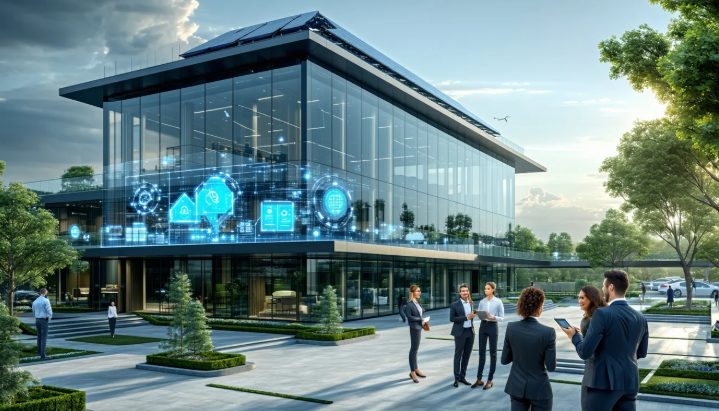
Buildings today are no longer passive physical assets; they are dynamic environments that influence productivity, safety, and well-being. As organizations adapt to digital transformation and evolving workplace expectations, facility maintenance services have become an essential foundation for smooth operations and long-term sustainability. Rather than focusing only on repairs, modern maintenance strategies emphasize intelligence, adaptability, and user experience. Industry-driven approaches, like those supported by Facility Network, reflect how structured building care now plays a strategic role in organizational growth.
From smart technologies to sustainability and flexible workspaces, building maintenance is deeply connected to some of the most talked-about trends shaping the modern world. This blog explores how facility management is evolving, why it matters more than ever, and how forward-thinking practices are redefining the way buildings support people and performance.
The Evolution of Building Maintenance in a Connected Era
The concept of maintenance has shifted dramatically over time. What was once limited to basic inspections and corrective actions has grown into an integrated discipline aligned with technology and data.
In the connected era, facilities are expected to function seamlessly, supporting daily operations without interruption. Maintenance teams now operate as strategic partners who contribute to efficiency, safety, and organizational resilience. This evolution reflects a broader understanding that well-maintained environments directly impact outcomes, whether in offices, healthcare facilities, educational institutions, or industrial spaces.
Technology-Driven Maintenance as a Strategic Enabler
Technology is transforming how buildings are monitored and maintained. Digital systems now provide visibility into infrastructure performance that was previously unavailable.
Smart tools allow maintenance teams to identify inefficiencies, predict potential issues, and respond with precision. Rather than relying on periodic checks alone, technology enables continuous awareness of building conditions.
Key technology influences include:
- Integrated building management platforms that centralize data
- Smart sensors monitoring temperature, energy use, and equipment health
- Digital reporting tools that improve transparency and accountability
These innovations enhance decision-making and support consistency across multiple locations.
Data as the New Foundation of Maintenance Planning
Data has become one of the most valuable assets in modern facility operations. Every system interaction generates insights that can guide smarter strategies.
By analyzing patterns over time, teams can better understand how buildings are used and where improvements are needed. Data helps transform maintenance from a reactive function into a predictive and adaptive process.
Data-driven maintenance supports:
- Identification of recurring performance issues
- Optimization of system usage and resource allocation
- Continuous improvement based on measurable outcomes
This analytical approach ensures that decisions are informed, purposeful, and aligned with broader goals.
See also: TITUM Fusion Advanced Titanium Cookware Technology for Precision and Performance
Sustainability Integrated Into Everyday Operations
Sustainability is no longer treated as a separate initiative. It is now embedded into daily building operations and maintenance routines.
Facilities play a significant role in environmental impact, and maintenance practices directly influence energy efficiency, waste reduction, and resource conservation. Sustainable maintenance focuses on long-term performance rather than short-term fixes.
Common sustainability-focused practices include:
- Maintaining energy systems for optimal efficiency
- Reducing material waste through planned upkeep
- Supporting environmentally responsible cleaning and servicing methods
These efforts contribute to healthier buildings and responsible operations without disrupting functionality.
Enhancing Occupant Experience Through Maintenance Excellence
People are at the center of every building. Comfort, safety, and reliability define how occupants experience a space, making maintenance a key contributor to satisfaction and well-being.
Modern maintenance strategies consider how environments feel, not just how they function. Factors such as air quality, lighting, cleanliness, and noise control are closely tied to occupant perception.
Occupant-focused maintenance priorities often include:
- Consistent indoor environmental quality
- Reliable systems that minimize disruptions
- Clean, well-maintained shared spaces
When maintenance aligns with human needs, buildings become supportive environments that enhance daily activities.
Aligning Maintenance With Organizational Objectives
Facility operations do not exist in isolation. They directly support organizational missions, whether that involves productivity, safety, or service delivery.
Strategic alignment ensures that maintenance priorities reflect what matters most to the organization. This approach helps leadership see maintenance as an investment rather than a background function.
Alignment is strengthened through:
- Clear performance benchmarks tied to operational goals
- Collaboration between maintenance teams and decision-makers
- Transparent communication on facility performance
This integration elevates maintenance into a core operational function.
Resilience and Reliability in a Changing World
Uncertainty has become a defining feature of the modern business environment. Buildings must remain reliable despite changing demands, usage patterns, and external challenges.
Maintenance plays a critical role in resilience by ensuring systems are dependable and adaptable. Regular evaluations and structured planning help facilities respond effectively to evolving conditions.
Resilience-focused maintenance emphasizes:
- Continuous monitoring of critical systems
- Proactive identification of vulnerabilities
- Structured processes that support rapid adaptation
Reliable facilities create stability even in unpredictable circumstances.
Collaboration as a Cornerstone of Effective Facility Care
Successful maintenance depends on collaboration among multiple stakeholders. Technicians, facility managers, occupants, and leadership all contribute to building performance.
Open communication channels ensure that issues are addressed efficiently and improvements are guided by real-world feedback.
Collaborative maintenance environments often feature:
- Regular performance updates and reporting
- Feedback mechanisms for occupants
- Cross-functional coordination across departments
This shared responsibility strengthens trust and supports continuous improvement.
Adapting Maintenance to Flexible and Hybrid Spaces
Workplaces are evolving rapidly, with flexible and hybrid models becoming increasingly common. Buildings must adapt to changing occupancy levels and usage patterns.
Maintenance strategies now prioritize adaptability, ensuring that spaces remain functional regardless of how they are used.
Adaptable maintenance approaches include:
- Dynamic planning based on space utilization
- Scalable systems that adjust to changing demands
- Ongoing evaluation of space effectiveness
This flexibility helps facilities remain relevant and efficient in modern work environments.
The Role of Preventive Thinking in Long-Term Performance
Preventive thinking underpins modern maintenance philosophy. Instead of focusing solely on immediate issues, teams aim to preserve system health over time.
This mindset supports longevity, reliability, and consistent performance across all building assets.
Preventive strategies typically involve:
- Routine assessments aligned with system requirements
- Early intervention to address minor irregularities
- Structured documentation to track performance trends
Such practices help maintain stability and confidence in facility operations.
The Future Direction of Facility Maintenance
As technology advances and expectations continue to rise, facility maintenance will become even more integrated with digital ecosystems. Buildings will increasingly communicate performance data in real time, enabling faster and more accurate responses.
The future of maintenance lies in intelligent systems, sustainable practices, and human-centric design working together. Organizations that embrace this integrated approach will benefit from facilities that support growth, adaptability, and well-being.
Conclusion
In today’s fast-moving world, building maintenance has emerged as a strategic driver of operational excellence. Through the intelligent use of technology, data, and collaborative planning, facility maintenance services now support sustainability, resilience, and occupant satisfaction. Organizations that prioritize proactive and adaptable building care are better equipped to meet modern challenges and future opportunities. By aligning maintenance practices with evolving trends, Facility Network demonstrates how thoughtful facility care can create environments that truly support people and progress. Contact us today to explore how smarter facility solutions can elevate your spaces and strengthen long-term performance.
