
You sit down, flip through channels for ten minutes, and find nothing worth watching. Same shows. Same reruns. Same boring stuff every single night.
Then your cable bill goes up again, but the channels never get better. This is why so many people are looking at IPTV service now. It’s not some random trend that will die out in a few months. It’s a real change in how normal families watch TV every day.
People want more choice, less cost, and shows that actually match what they like. That’s the real reason IPTV service is such a big topic right now.
What Is An IPTV Service
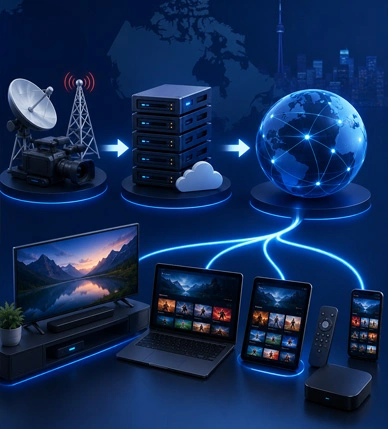
IPTV means Internet Protocol Television. In simple words, it means you watch TV through the internet instead of a satellite dish or a cable box stuck under your TV.
All you need is a decent internet connection and a device like a phone, a smart TV, a laptop, or a small streaming box plugged into your TV.
Once it’s connected, everything runs through an app, not a wall socket or a dish on your roof. Nobody has to come to your house to set it up. You just download the app, log in, and your channels are ready in a few minutes flat.
How It Actually Works
An IPTV service sends video over the internet in tiny bits, kind of like small packages. Your device grabs these bits and turns them into the picture on your screen.
It works a lot like Netflix or YouTube, but instead of just movies, you get live TV channels too. This is a big deal for people who want more say in what they pay for.
Old cable plans make you pay for hundreds of channels you never even watch. With IPTV, you pick packs that match what your house actually watches, and you skip the rest.
Why Indian IPTV Is Growing So Fast
Indian IPTV has become a huge part of this change. Families living outside India still want their news, their cricket, and their daily shows in their own language. Normal cable companies almost never offer this stuff. An IPTV service built around Indian content fixes that problem easily, without any headache.
Think about a family living in the US or Canada. They miss their favorite Hindi serial or a Punjabi news channel every single day.
Local cable just doesn’t carry it, no matter how much they search. Indian IPTV service brings all these channels straight to their TV, no matter where in the world they live now.
Getting Set Up Is Easy
Setting it up isn’t hard at all. Most companies give you a simple app. You put it on your smart TV, your phone, or a small box like a Firestick. Log in with your details, and boom, your channels show up right away. No technician, no extra wires, no waiting around for days.
IPTV vs Cable, Side By Side
Let’s look at how this stacks up against old-school cable and satellite TV. The table below shows the plain differences, so you can see why so many people are switching this year without thinking twice about it.
| Feature | Cable TV | IPTV Service |
| Setup | Technician has to visit | You set it up yourself |
| Channel choice | Fixed bundles only | Flexible packs, your pick |
| Indian content | Very limited | Tons of options |
| Monthly cost | Usually higher | Usually cheaper |
| Device support | TV only | TV, phone, tablet, box |
As you can see, IPTV gives you way more freedom. You’re not stuck with one device or one fixed bundle forever. You also don’t need old wires or a dish stuck on your roof, which saves you money and a lot of hassle over time.
What To Check Before You Pay
Before you pick any provider, there are a few things worth checking first. Not every IPTV service is made the same way, and some skip basic stuff that matters a lot once you’re actually watching every single day.
- Check if they give you a free trial before you pay anything
- Look at how many Indian channels they actually include
- Ask about video quality, like HD or 4K options
- See if their customer support actually replies fast
- Check if it works on more than one device at the same time
These small checks can save you from picking a service that looks good on paper but fails once you actually start using it. A short trial tells you a lot about how smooth the streams really are.
Internet Speed And Buffering
Buffering is the biggest complaint people have with any streaming service out there. Most of the time, it’s not even the provider’s fault. Your own internet speed plays a huge part in this. A stable connection of at least 15 to 20 Mbps is usually enough for smooth IPTV service viewing without random freezing.
The TV Guide Feature
Another thing people forget to ask about is the electronic program guide, also called EPG. This is basically a TV guide that shows what’s on now and what’s coming up later. A good IPTV service always includes this, so you’re not just guessing what’s playing on which channel.
Common Myths About IPTV
A lot of people still believe things about IPTV that just aren’t true anymore. These myths stop them from even trying it out, which is kind of a shame since most of these worries don’t hold up once you actually look into it properly.
One common myth is that IPTV always looks blurry or low quality. That used to be true years ago, but not now. A good IPTV service today streams in full HD, and some even offer 4K, as long as your internet connection can keep up with it.
Another myth is that IPTV is hard to use for older folks or people who aren’t tech savvy. In reality, most apps are just as simple as opening Netflix. You tap the channel you want, and it plays. There’s really nothing complicated about it at all.
Some people also think IPTV service is only for young people who like tech stuff. That’s not true either. Plenty of older parents and grandparents use it daily just to watch their regular news and shows, without any trouble setting it up themselves.
See also: How Technology Drives Business Innovation
Best Devices For Watching IPTV
IPTV works on a lot more devices than people expect. You’re not locked into just one screen in your living room. This flexibility is actually one of the biggest reasons families are switching away from traditional cable boxes these days.
- Smart TVs with built in apps or app stores
- Firestick or Fire TV Cube plugged into any TV
- Android TV boxes made just for streaming
- Phones and tablets for watching on the go
- Laptops and computers using a browser or app
Most people end up using two or three of these at once. Maybe the TV at home, a phone during a commute, or a tablet in the kitchen. One IPTV service subscription usually covers all of these, which is something cable never really offered.
Pricing And Extra Features
Price is a big deal too, obviously. Indian IPTV service plans usually cost way less than old-school Indian cable packages sold outside India. You get more channels, more flexibility, and you’re not locked into some long contract most of the time.
Some providers also throw in catch-up TV, which lets you rewind and watch a show you missed earlier. This feature alone makes IPTV way more useful than plain cable, since missing your favorite serial doesn’t mean missing it forever anymore.
Is IPTV Legal
People often ask if IPTV is even legal. Yes, as long as you use a real, licensed provider, it’s completely legal, no issues there. Problems only show up when people use shady, unlicensed services streaming stuff without any permission. Always pick a provider that’s upfront and clear about where their content comes from.
If you’re checking out your options, sites like voisiptv.com list IPTV service plans made with Indian audiences in mind, covering sports, news, and entertainment channels. It’s worth comparing a few plans before you settle on the one that fits your house best.
Tips For A Smoother Experience
Streaming quality also depends on how many devices are connected at once. If four people in your house are watching different channels at the same time, check if your plan actually supports multiple screens. Some cheap plans only let you stream on one device at a time.
- Test the app on the exact device you’ll actually use daily
- Ask if support is available on WhatsApp or live chat
- Double check the trial length before you sign up for anything
- Confirm if the plan renews automatically or not
Another small tip, always test the service on the actual device you use every day. An app might work great on your phone but feel clunky and slow on an older smart TV. Support quality matters a lot too, since channels sometimes drop for a few minutes here and there.
Switching From Cable Without The Hassle
A lot of people put off switching because they think it’s a big, messy process. It really isn’t. You don’t have to cancel your cable the same day you sign up for IPTV. You can run both side by side for a week or two.
Start by testing your IPTV service on wifi first, before you cancel anything. Watch your usual channels for a few days. Check if sports, news, and your regular shows all come through fine. Once you’re happy with it, then go ahead and cancel the cable.
Keep your old remote around for a few days too, just in case something feels off. Most people find they don’t even miss the cable box after the first week. The channels feel the same, sometimes even better, minus the huge monthly bill.
One more thing worth doing, write down your favorite channels before you switch. That way, when you set up your IPTV service, you can check right away that everything you actually watch is included in your plan, with nothing missing.
Conclusion
At the end of the day, picking an IPTV service really comes down to what your family actually watches. If Indian channels, cricket, and regional shows matter to you, go with a plan built around that stuff. Compare pricing, trial length, and device support before you make your final call on anything.
Switching from cable to IPTV really isn’t complicated once you get the basics down. Set up the app, pick your channel pack, and you’re watching within minutes flat. For a lot of families, it turns out to be a simpler, cheaper, and way more flexible way to enjoy TV every single day of the week.
