
Introduction
Many homeowners spend months choosing kitchen designs, flooring, paint colours, and furniture before starting a renovation. Yet one of the most important parts of any improvement project often goes unnoticed—the electrical system hidden behind the walls.
Whether you’re modernising an older property, converting a loft, extending your home, or renovating a commercial building, carrying out Electrical Testing Telford before work begins can save considerable time, money, and frustration. Instead of discovering electrical issues halfway through a project, a professional inspection provides a clear understanding of your property’s existing electrical condition.
From identifying ageing wiring to confirming compliance with current regulations, Electrical Testing Shropshire plays a vital role in successful renovation planning.
Why Renovations Are the Best Time to Assess Your Electrical System
When walls are opened and ceilings are removed, electricians have easier access to cables, circuits, and distribution boards. This makes renovations the ideal opportunity to inspect, repair, or upgrade electrical installations.
Unfortunately, many people only think about electrical work after builders have completed decorating, leading to unnecessary disruption and additional costs.
An inspection carried out at the planning stage allows every electrical improvement to be completed efficiently alongside the rest of the renovation.
Older Homes May Be Hiding Electrical Problems
Properties built many years ago were never designed to support today’s electrical demands.
Modern homes often include:
- Multiple televisions
- Home office equipment
- Smart home devices
- Electric showers
- High-powered kitchen appliances
- EV charging points
Older wiring may still function, but it may no longer provide the capacity or protection needed for modern lifestyles.
Professional Electrical Testing Telford identifies whether existing installations remain suitable or whether upgrades should be included within the renovation budget.
What Happens During an Electrical Inspection?
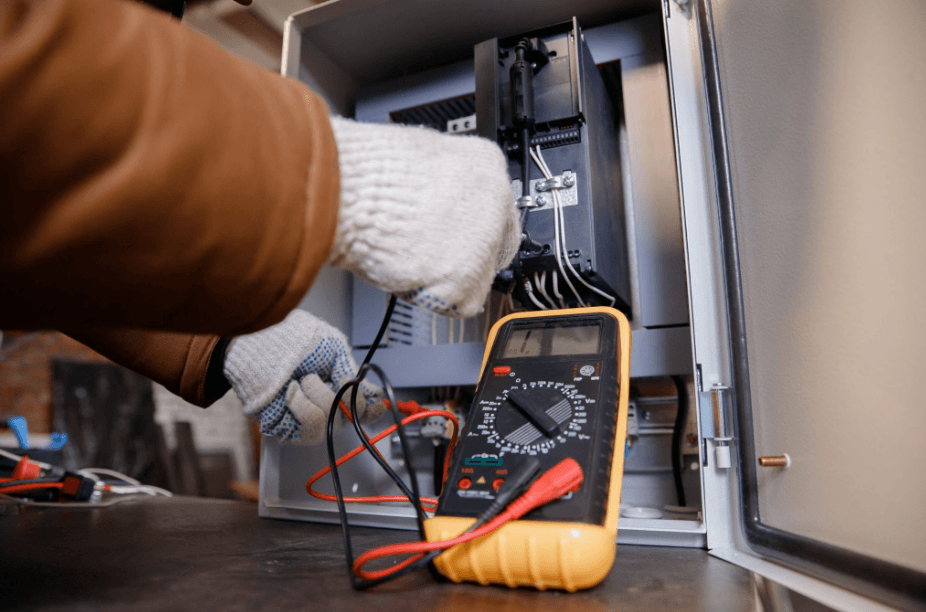
Many property owners assume an electrical inspection is simply a visual check. In reality, it is a detailed assessment carried out using specialist testing equipment.
Qualified electricians examine various parts of the electrical installation, including:
Consumer Unit
The inspection checks whether the consumer unit provides suitable protection and complies with current standards.
Wiring
Electricians assess the condition of cables, looking for signs of wear, deterioration, or previous poor-quality workmanship.
Sockets, Switches and Lighting Circuits
Every accessible component is inspected and tested to confirm it continues operating safely.
Protective Devices
The effectiveness of safety devices is verified to ensure faults would be detected correctly if they occurred.
The findings are then documented in the appropriate inspection report.
Understanding the Two Main Electrical Reports
During renovation planning, you may hear electricians refer to two important documents under BS7671.
Electrical Installation Certificate (EIC)
An Electrical Installation Certificate is provided after new electrical installations, major alterations, or additional circuits have been completed and successfully tested.
It confirms that the completed work complies with current wiring regulations.
Electrical Installation Condition Report (EICR)
An EICR focuses on existing electrical systems. It evaluates the overall condition of the installation and highlights observations that may require improvement before renovation work continues.
This report helps homeowners prioritise electrical upgrades while ensuring the installation remains suitable for continued use.
Renovation Projects That Often Require Electrical Testing
Almost every improvement project can affect the electrical installation in some way.
Testing is particularly beneficial before:
Kitchen Renovations
Modern kitchens contain numerous high-powered appliances. An inspection confirms whether existing circuits can safely support the increased demand.
House Extensions
Additional rooms usually require new lighting, sockets, and electrical circuits. Testing the existing installation ensures these additions integrate safely.
Loft Conversions
Creating new living space often involves extending electrical systems into previously unused areas of the property.
Office Refurbishments
Businesses frequently install additional computers, lighting, and equipment during refurbishments. Testing ensures the electrical infrastructure can support these changes.
See also: How Technology Drives Business Innovation
Avoid Unexpected Costs Halfway Through Your Project
Few things disrupt a renovation more than discovering hidden electrical defects after construction work has already begun.
Without an inspection, contractors may uncover:
- Unsafe wiring
- Damaged cables
- Outdated consumer units
- Incorrect circuit protection
- Previously concealed electrical faults
Resolving these issues during construction often delays projects and increases labour costs.
By arranging Electrical Testing Shropshire before work starts, property owners gain a clearer understanding of any electrical improvements that should be completed alongside the renovation.
Safety Should Never Be an Afterthought
Beautiful interiors lose their appeal if the electrical installation behind them isn’t safe.
Professional testing helps identify dangerous defects that may otherwise remain hidden, reducing the risk of electrical failures once the renovation has been completed.
Qualified electricians carry out inspections in accordance with BS7671 regulations while ensuring any recommendations are clearly explained.
This proactive approach provides reassurance that both new and existing electrical systems are suitable for everyday use.
Why NAPIT-Approved Electricians Make a Difference
Electrical inspections should always be completed by qualified professionals with recognised industry accreditation.
NAPIT-approved electricians follow strict technical standards and industry best practices when inspecting and testing electrical installations.
Their expertise ensures reports are accurate, recommendations are practical, and completed work satisfies current electrical regulations.
For homeowners investing thousands of pounds into property improvements, that level of confidence is invaluable.
Benefits of Electrical Testing Before Renovation
Scheduling Electrical Testing Telford before beginning a renovation offers several practical advantages.
These include:
- Identifying hidden faults before building work begins
- Helping plan electrical upgrades more efficiently
- Supporting compliance with BS7671 regulations
- Confirming whether existing wiring remains suitable
- Protecting valuable appliances and equipment
- Reducing unexpected renovation costs
- Improving long-term electrical safety
- Providing the correct certification for new installations
- Giving homeowners confidence throughout the project
- Helping landlords and businesses maintain compliant properties
Conclusion
A successful renovation depends on much more than attractive finishes and quality craftsmanship. The electrical system hidden behind walls deserves just as much attention as every visible improvement.
By arranging Electrical Testing Telford before construction begins, homeowners and businesses gain valuable insight into the condition of their electrical installation, allowing upgrades to be completed efficiently and safely. Whether your project involves a kitchen makeover, home extension, commercial refurbishment, or complete property renovation, professional Electrical Testing Shropshire provides the knowledge needed to build with confidence while protecting your investment for years to come.
